Search
Search the site for topics, resources and ideas:


Stop asking, “What’s for dinner?” Every. Single. Day.
A simple, flexible meal rhythm for busy moms who want to feed their families well without meal-planning their lives away.
Inside I’ll show you how to make dinner more predictable, less stressful, and way easier to pull together without a rigid 7-day meal plan.
Get the Free Formula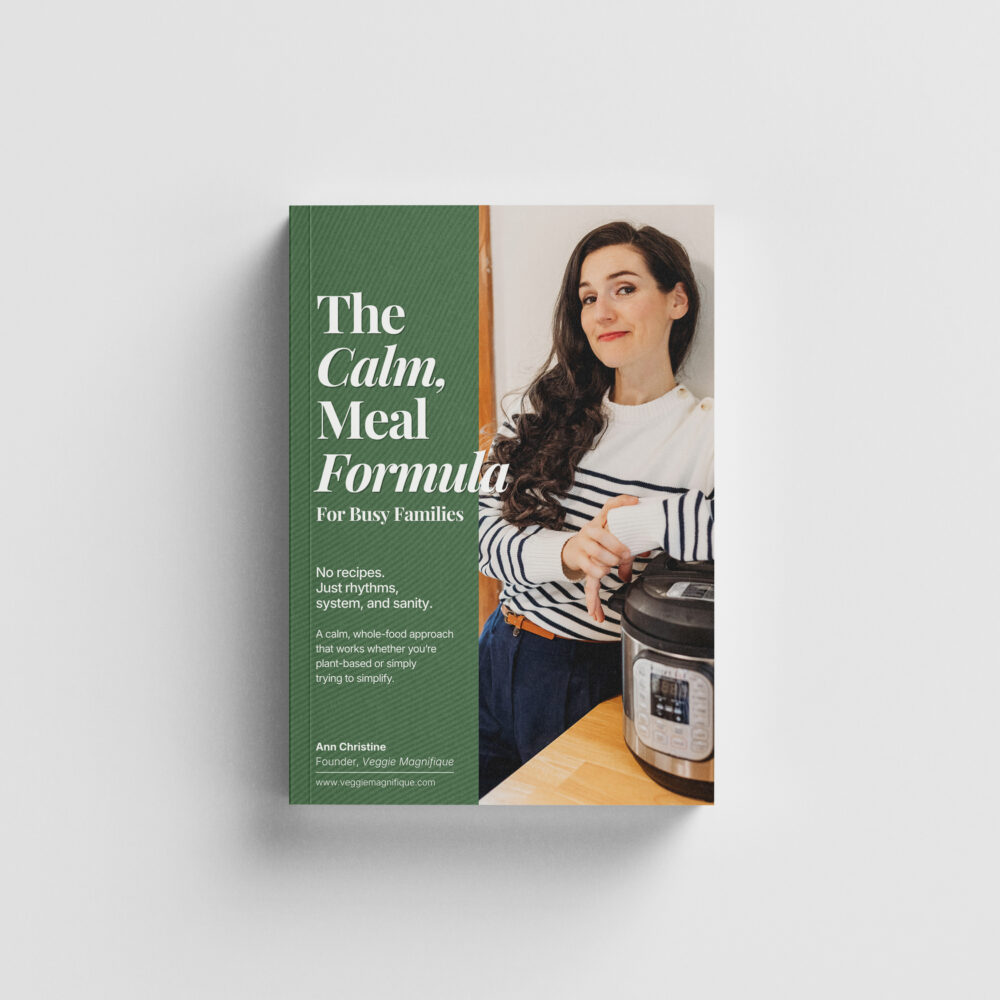

With all this buzz about liquid nutrition, have you been left wondering if it’s all just a load of hype? Or whether some clever clogs is going to announce any minute that smoothies are actually terrible for your health, and juicing is going to give you diabetes or something?
Fear not! Juices and smoothies get the Veggie Magnifique stamp of approval. 🙂
With just two caveats:
- They mustn’t be too sweet.
- They are always better made-to-order, at home.
Now let’s take a look at the pros and cons of each drink.

Juice
In short: Think of juice more as a supplement than a meal.
Juice is the ultimate preventative medicine since it’s so nutritionally dense.
Pros
- Juice goes straight into the blood stream, giving you an instant boost of energy and nutrition.
- It’s easy on the digestive system because there’s nothing to break down. By feeding yourself with juice, you’re giving your digestive system a break.
- It’s a nutritionally concentrated food. And, since it’s less filling (no fibre), you can drink quite a lot of it without feeling too full. Nutrition blast!
- Since it’s so easily assimilated, it’s helpful for people who have digestive problems such as IBS.
- If you use a cold-press juicer, you can make your juice up to 72 hours in advance and it won’t lose its nutritional value, whereas a smoothie really needs to be enjoyed straight away.
Cons
- A juice usually takes longer to make and clean up after than a smoothie.
- Good quality juicers are expensive.
- It’s easy to make juice too sweet. The fruits you’re using in your juice wouldn’t be a problem if you blended them, but because you’re removing the fibre, a sweet juice could cause blood sugar spikes.
- Certain low-water fruits, such as bananas, can’t be juiced.
Golden Rules for Juicing
Don’t go overboard on the fruit or you’ll risk the dreaded blood sugar spike. Try and aim for 80% vegetables, 20% sweet fruit.
Also, make sure you drink your juice on an empty stomach to avoid fermentation and to maximise nutritional benefits. If the juice mixes with any fibre already in your stomach, then you could possibly get heartburn or other digestive issues.

Ingredients for a super-juice. Photo by Kalowtie Searwar
Recipe Ideas
Try our lurgy-busting green juice if you’re fighting something off
Or this kale-rich juice from the Food Babe
Smoothie
In short: It’s a whole food, made with a blender.
Smoothie-drinking is an easy and healthy eating practice for sustaining good health every day.
Pros
- Smoothies have fibre, so they’re filling and can replace a meal.
- You can add fats, such as coconut oil, avocado, or nut butter to make your smoothie even more filling.
- They’re easier and usually quicker to make and clean up after than juices.
- Buying a blender is usually cheaper than buying a juicer.
- You get a more gradual energy release because of the fibre – no blood sugar spikes.
- Smoothies are ‘pre-chewed’ foods, so they are easily digested. Most people don’t chew their food well enough. Drinking smoothies is a fast track way to absorb properly chewed food, but do take your time when drinking your smoothie.
- Drinking smoothies is great for getting things moving!
Cons
- You’re not giving the digestive system a break.
- You generally can’t pack as many greens into a smoothie as you can into a juice.
- Only the most powerful blenders (e.g. Vitamix, Blendtec, or Nutribullet) will properly break down the tough plant fibres of greens, making them digestible and palatable. If you’re using a lower quality blender, a lot of green smoothie recipes will turn out less-than deliciously smooth.

Recipe Ideas
Try this divinely thick and zesty smoothie for a filling treat.
And visit this recipe-rich website for lots more ideas.
Which is Better?
Well, it really depends what you’re looking for.
If you want a meal replacement, then smoothie-it-up.
If you’re looking for a reboot/detox, and possibly even a therapeutic fast, then get juicing. Just make sure you don’t go overboard on the sweet fruit.
Obviously, you can incorporate both of these practices into your daily life to be mega-healthy. We do!
Tips and Tricks
- Always make sure you’re using as many greens as possible, no matter what type of drink you’re making. Don’t miss out on this great opportunity to get much needed greens into your diet!
- Did you know that you can already juice even if you don’t have a juicer? Just use a blender to blend up your juice ingredients, add an extra cup of water, and then strain the mixture through a fine sieve or a nut milk bag.
- Take your time when drinking juices or smoothies – don’t chug! ‘Chew’ your drink instead, and swish it in your mouth. It’s important to get your saliva working to enable better digestion.
- Try juicing in the morning to wake up your digestion slowly and rehydrate your body. Use smoothies as your lunch or dinner.
- Mostly, try both out for yourself, and see how you feel. We’re all unique with very different needs after all!
Which Equipment is Best?
For smoothies, we recommend using a Vitamix, or whatever blender you’ve got!
For juices, we love the Hurom 500, otherwise known as Omega.
Bottoms up!

P.S. Some more resources because we love you:
- Watch this vid from our fave, FullyRawKristina, who is all about using both juices and smoothies to complement her diet:
- Check out the work of Joe Cross, of the documentary ‘Fat, Sick and Nearly Dead’. He went on a mission to lose weight and regain his vitality by drinking only juice. Very inspiring!
- Also, the documentary Powered By Green Smoothies takes a group of high-functioning athletes on an experiment to see if they can boost their performance even further by incorporating daily green smoothies. The results are fascinating!
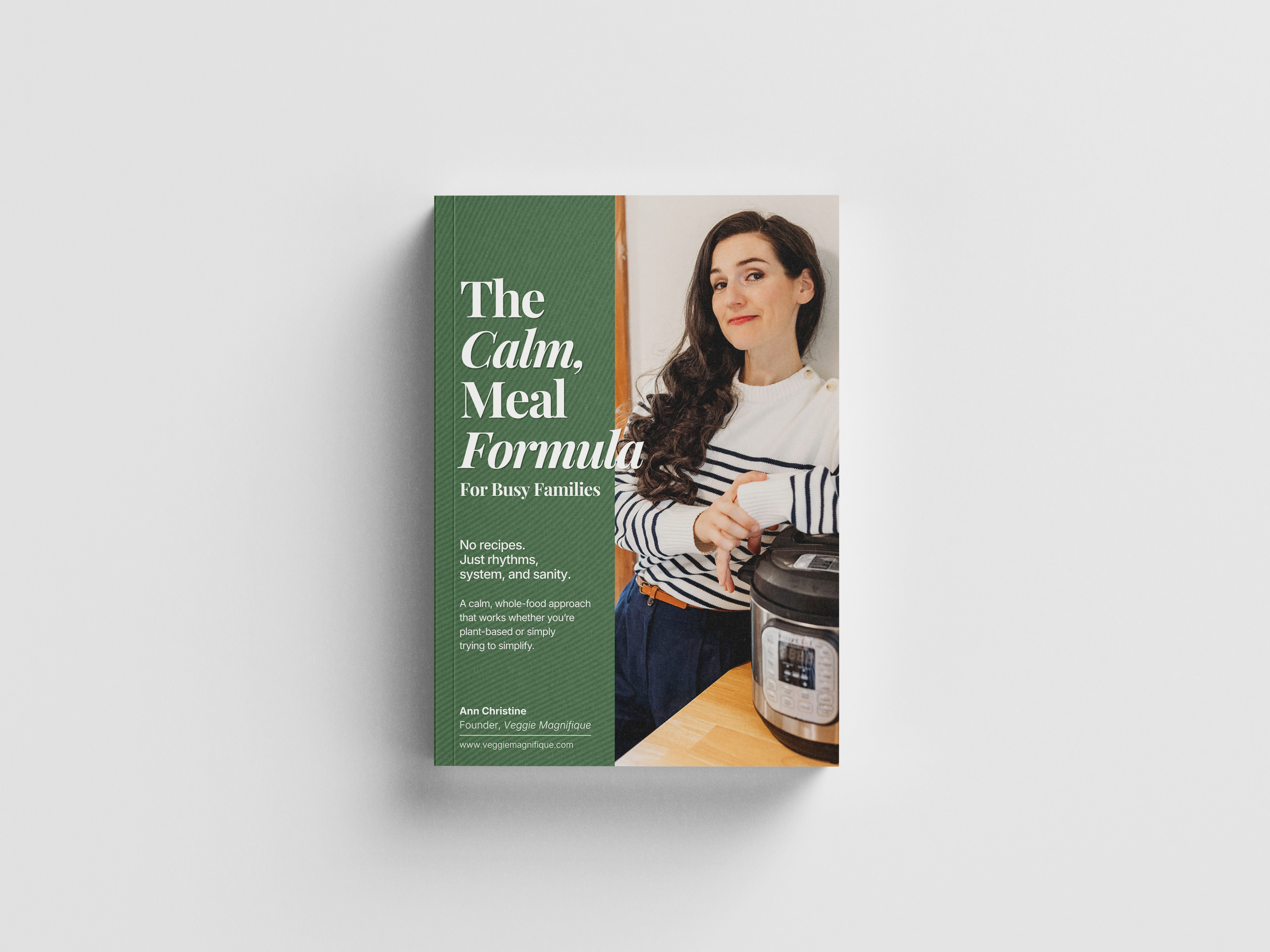
The Calm Meal Formula
Dinner doesn’t have to be a daily decision.
Get my simple meal framework for feeding your family without the nightly panic, endless recipe hunting, or 5:30pm fridge-staring.
Free Formula
Become a Health Coach
Passionate about health, wellness, and helping others? The world needs health coaches, and IIN can help you become one.
Learn More